


 0861 999 083


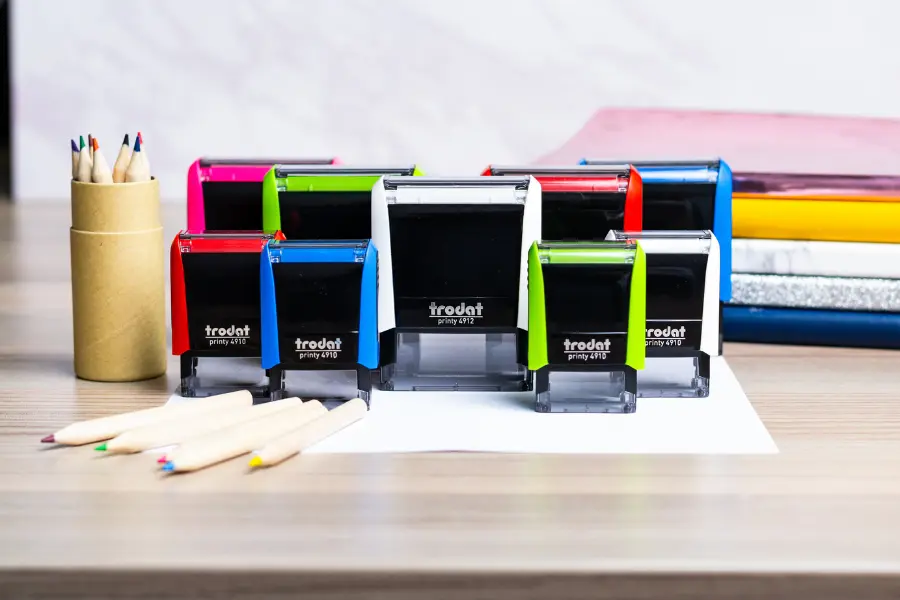
With cloud storage, electronic signatures and digital workflows becoming increasingly common, many people assume that rubber stamps have become obsolete.
In reality, rubber stamps continue to play an important role in offices across South Africa and around the world. From accounting departments and legal firms to schools, healthcare facilities and corporate offices, businesses still rely on stamps to improve efficiency, maintain consistency and streamline administrative processes.
In 2026, rubber stamps remain one of the simplest and most cost-effective tools for handling everyday paperwork and document management.
The Myth of the Paperless Office</h2?
For years, businesses have been working toward paperless environments. While digital tools have transformed many processes, physical documents remain part of daily operations for countless organisations.
Contracts, invoices, delivery notes, approval forms, applications and compliance documents are still frequently printed, reviewed and filed. Many businesses use a combination of digital and physical systems to manage information efficiently.
Industry experts continue to highlight that successful workplaces often combine digital tools with practical administrative processes rather than relying on a fully paperless environment. Resources from DocuSign discuss how organisations are reducing paper usage while still maintaining effective document workflows, while business platforms such as Deel continue to emphasise the importance of structured administrative processes in modern organisations.
This is one reason rubber stamps continue to provide value in today’s workplace.
Why Businesses Still Use Rubber Stamps
Rubber stamps offer several practical advantages:
- Save time on repetitive tasks
- Create consistent document markings
- Reduce handwriting errors
- Improve document organisation
- Support workflow management
- Help standardise internal processes
Instead of repeatedly writing the same information by hand, employees can apply a clear and professional stamp in seconds.
For busy offices, these small time savings can add up significantly over the course of a year.
Common Rubber Stamps Used in Offices
Many organisations use stamps every day without giving much thought to how often they appear in business processes.
Popular office stamps include:
- PAID
- RECEIVED
- APPROVED
- CONFIDENTIAL
- COPY
- SCANNED
- FILED
- URGENT
- COMPLETED
- DATE STAMPS
These simple markings help employees quickly understand the status of a document and reduce unnecessary delays.
How Administration Departments Use Rubber Stamps
Administrative teams are often responsible for managing large volumes of paperwork.
Rubber stamps help administration staff:
- Record incoming documents
- Mark correspondence
- Track approvals
- Process forms
- Organise filing systems
Businesses looking for ready-made office solutions can explore RubberStampSA’s Office Administration Templates:
https://rubberstampsa.co.za/industry-templates/office-administration/
These templates help streamline common administrative tasks and improve consistency across departments.
How Accounting Departments Use Rubber Stamps
Accounting teams process a significant number of financial documents every month.
Stamps can assist with:
- Invoice processing
- Payment verification
- Tax documentation
- Internal approvals
- Audit preparation
Common examples include:
- PAID
- PROCESSED
- RECEIVED
- AUTHORISED
Using standardised markings helps accounting teams process documents efficiently and maintain clear records.
RubberStampSA’s Accounting Templates provide practical options designed specifically for accounting professionals:
https://rubberstampsa.co.za/industry-templates/accounting/
How Legal Firms Use Rubber Stamps
Legal practices continue to rely on precise document management procedures.
Rubber stamps are commonly used to:
- Record filing dates
- Mark confidential information
- Track document versions
- Confirm receipt of documents
- Process client paperwork
Because accuracy and consistency are critical in legal environments, stamps help ensure important information is clearly displayed.
Legal professionals can browse industry-specific options through RubberStampSA’s Legal Templates:
https://rubberstampsa.co.za/industry-templates/legal/
How Human Resources Teams Use Rubber Stamps
Human resources departments manage a wide variety of employee records and internal documentation.
Common HR applications include:
- Employee onboarding paperwork
- Leave applications
- Performance reviews
- Training records
- Personnel files
Stamps help keep documentation organised and ensure records are processed consistently.
As businesses grow, standardised processes become increasingly important for maintaining efficiency and compliance.
Reception and Front Desk Applications
Reception areas often handle large volumes of incoming correspondence and visitor-related documentation.
Rubber stamps can be used to:
- Mark incoming mail
- Record receipt dates
- Process deliveries
- Track internal circulation
- Manage visitor documentation
Date stamps are particularly useful for maintaining accurate records and ensuring documents are processed within required timeframes.
Self-Inking vs Traditional Rubber Stamps
When selecting a stamp, businesses often choose between self-inking and traditional options.
Self-Inking Stamps
Benefits include:
- Fast and convenient
- Built-in ink pad
- Consistent impressions
- Ideal for high-volume use
- Minimal maintenance
Traditional Rubber Stamps
Benefits include:
- Flexible ink colour options
- Suitable for specialised applications
- Cost-effective for occasional use
- Easy to replace ink pads
For many modern offices, self-inking stamps have become the preferred option due to their speed and ease of use.
To learn more about the differences, visit:
https://rubberstampsa.co.za/blog-self-inking-vs-traditional-rubber-stamps/
Are Rubber Stamps Still Relevant in 2026?
Absolutely.
Despite advances in digital technology, businesses continue to process physical documents, maintain records and manage administrative workflows.
Modern organisations often combine digital systems with practical tools that improve efficiency. Rubber stamps remain valuable because they are simple, affordable and effective.
Rather than replacing digital workflows, stamps often complement them by helping businesses manage paperwork that still exists within everyday operations.
Frequently Asked Questions
What are rubber stamps used for in offices?
Rubber stamps are used to mark, organise and process documents. Common uses include approvals, payment verification, date marking and document tracking.
Are rubber stamps still used in modern businesses?
Yes. Many businesses continue to use rubber stamps alongside digital systems to improve efficiency and maintain organised records.
Which departments use rubber stamps most often?
Administration, accounting, legal, human resources and reception departments commonly use rubber stamps as part of their daily workflows.
What is the most common office stamp?
Some of the most commonly used office stamps include PAID, RECEIVED, APPROVED, CONFIDENTIAL and date stamps.
Are self-inking stamps better than traditional stamps?
For high-volume office use, self-inking stamps are often preferred because they are faster, cleaner and more convenient.
Why Rubber Stamps Continue to Support Modern Workplaces
Technology has transformed the way businesses operate, but many workplace processes still involve physical documentation and administrative workflows.
Rubber stamps remain a practical solution for improving efficiency, reducing repetitive tasks and maintaining consistency across departments.
From administration and accounting to legal and human resources, businesses continue to rely on stamps to keep operations running smoothly.
In 2026, rubber stamps are not outdated—they remain a valuable tool that supports modern office productivity.
 2019 brew by